Älvros farmstead
Back to all places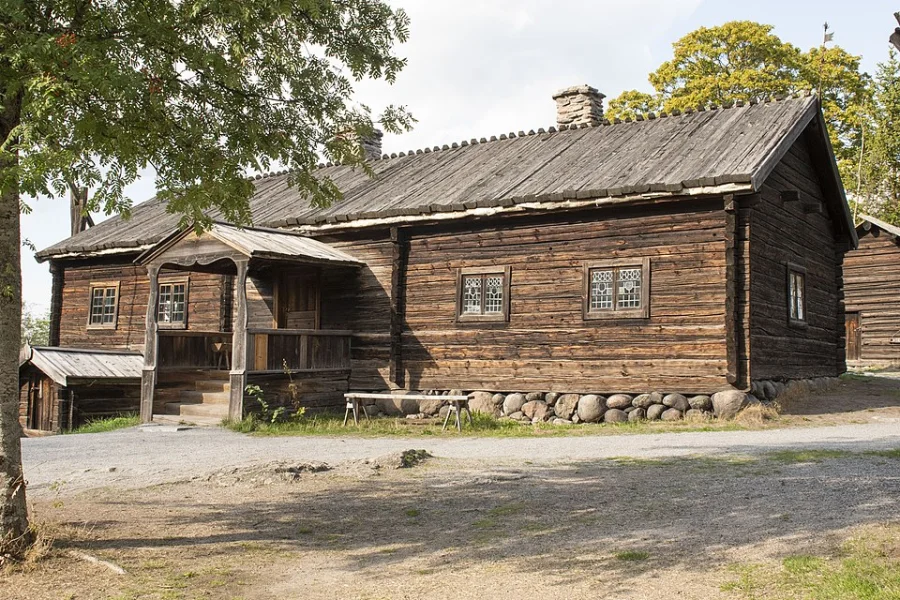
Älvros farmstead
0:00 / 1:13Älvros farmstead
Älvros farmstead stands as a testament to rural Swedish life from the late 18th and early 19th centuries. Originating from Älvros parish in Härjedalen, its buildings were constructed between the 1790s and the early 1800s, reflecting traditional timber architecture unique to this northern region.
The farmstead was moved to Skansen open-air museum in Stockholm in 1899 as part of Artur Hazelius’s pioneering effort to preserve and display the country’s rural architectural heritage. Within its log walls, visitors can trace the evolution of Swedish peasant culture, agricultural practices, and domestic life spanning several generations.
Notably, the farmstead includes a main dwelling, storehouses, a bakehouse, and various outbuildings once vital for daily sustenance and survival amidst harsh Scandinavian winters. The site illustrates both the hardship and ingenuity that shaped rural communities before industrialization.
Over the decades, Älvros farmstead has become a symbol of the nation’s historical resilience and identity, and today it provides a unique glimpse into Sweden’s agrarian past, hosting seasonal demonstrations and educational programs that bring history to life.
59.32701, 18.10277