Frihamnen Stockholm
Back to all places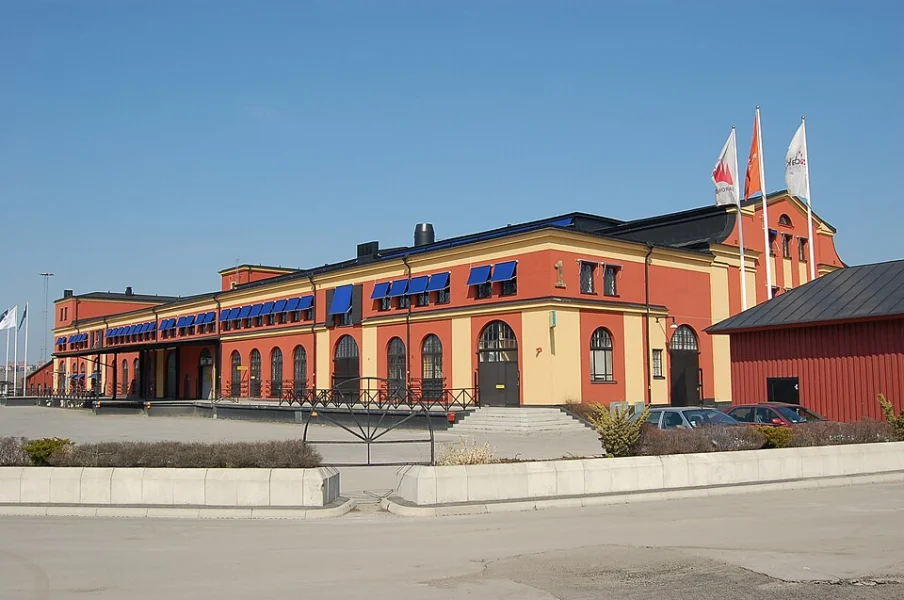
Frihamnen Stockholm
0:00 / 1:45Frihamnen Stockholm
Nestled on the northeastern waterfront of Stockholm, Frihamnen—meaning “The Free Port”—stands as a vital chapter in Sweden’s maritime legacy. Officially inaugurated on October 27, 1926, Frihamnen was established to expand the city’s cargo handling capacity and to facilitate international trade in the wake of Stockholm’s growing industrialization. The harbor became a bustling gateway, enabling the safe reception of ships year-round with the help of cutting-edge icebreaking services, a necessity in the Baltic Sea’s challenging winters.
During World War II, Frihamnen played a pivotal role as a neutral transit point, supporting Sweden’s policy of nonalignment and contributing to the secure passage of goods critical to the Swedish economy and citizens.
Over the decades, the port has witnessed the evolution of shipping technologies and logistics, adapting to the era of containerization in the 1960s and diversifying to include passenger services as Stockholm became a prominent stop for international cruise liners. Significant events in Frihamnen’s history include the expansion of quay facilities in 1967 to accommodate larger vessels, the electrification of on-site warehouses in 1931—an innovative leap at the time—and its post-war transformation into a multifaceted transportation and logistics center.
Today, while still occasionally hosting cargo ships, Frihamnen is primarily celebrated for its role as the capital’s major cruise terminal, annually welcoming tens of thousands of visitors who arrive to explore Stockholm’s cultural and historical riches. The area’s evolution from a purely industrial zone to a contemporary urban space, with the addition of offices, event venues, and creative enterprises, reflects Stockholm’s longstanding spirit of adaptation and renewal.
59.34336, 18.11904