Kyrkhult Farmhouse
Back to all places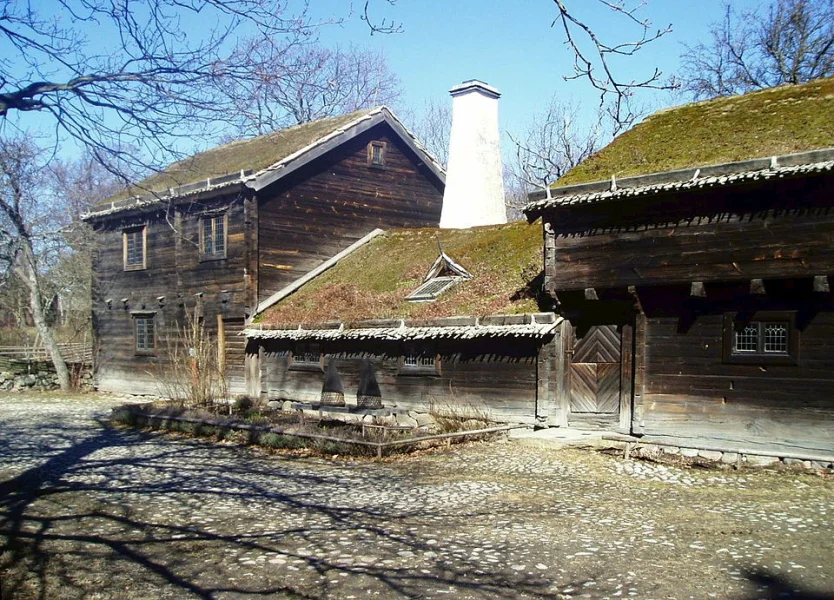
Kyrkhult Farmhouse
0:00 / 2:03Kyrkhult Farmhouse
The Kyrkhult Farmhouse, situated within the open-air museum of Skansen in Stockholm, is an exceptional representation of rural Swedish architecture from the 19th century.
Originally built in the parish of Kyrkhult in Blekinge in the late 1810s, this well-preserved building was relocated to Skansen in 1896 as part of Artur Hazelius’s visionary effort to safeguard and showcase Sweden’s rural heritage. The farmhouse offers an authentic glimpse into the pastoral lifestyle of southern Sweden during a pivotal era of agricultural reform and social transition.
Constructed primarily from timber using traditional methods, the Kyrkhult Farmhouse provided shelter and workspace for generations of farming families. The interiors display period-appropriate furnishings and household implements, revealing the daily routines and customs of 19th-century rural Swedes.
Visitors can observe the original fireplace central to cooking and heating, as well as details such as beautifully painted wall decorations that reflect regional artistic trends and religious symbolism from the early 1800s. Historically, the 19th century marked significant changes for Blekinge, including the introduction of crop rotation and improved agricultural tools, developments that are echoed in the farmhouse’s design. During the 1860s, Sweden faced severe famines and societal upheaval, experiences that shaped the resilience and resourcefulness of families living in such houses.
The Kyrkhult Farmhouse stands as a testament to the era’s social fabric, when self-sufficiency, communal traditions, and a strong connection to the land defined daily existence. Today, the farmhouse continues to educate visitors about Swedish social and agricultural history, serving as a living exhibit through seasonal demonstrations and traditional festivities. Its presence at Skansen highlights key elements of Sweden’s cultural evolution, from the rural enlightenment of the 1800s to the nation’s ongoing efforts to preserve its tangible heritage for future generations.
59.32663, 18.10631