Mediterranean Museum
Back to all places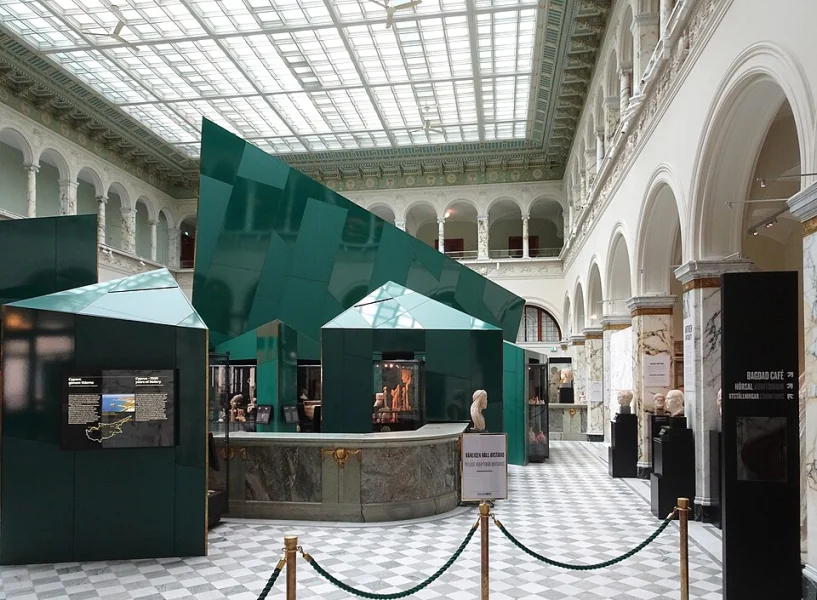
Mediterranean Museum
0:00 / 1:22Mediterranean Museum
Housed in the historic Gustav Adolf Palace by the Norrström river in central Stockholm, the Mediterranean Museum serves as Sweden’s premier institution for the study and exhibition of ancient cultures from the Mediterranean and the Near East. Established in 1954 through the merger of the Egyptian Museum’s and Near Eastern collection, its origins trace back to the 18th and 19th centuries, when Swedish diplomats, explorers, and archaeologists conducted excavations and cultural exchanges in regions such as Mesopotamia, Egypt, Cyprus, and Greece.
Notable among its treasures are the famed mummies from the 22nd dynasty, the Assyrian reliefs from King Ashurnasirpal II’s palace at Nimrud dating to 865 BC, and an extensive collection of Cypriot antiquities—one of the largest outside Cyprus, due to extensive Swedish archaeological work conducted on the island during the 1920s and 1930s.
In recent decades, the museum has expanded both its scholarly research and its public engagement, offering rotating exhibitions, educational programs, and collaborations with international institutions. As one of Sweden’s oldest and most significant cultural museums, the Mediterranean Museum continues to safeguard and shed light on the rich and interconnected histories that have shaped the Mediterranean and Near Eastern world for millennia.
59.32939, 18.06737