Oktorp Farmstead
Back to all places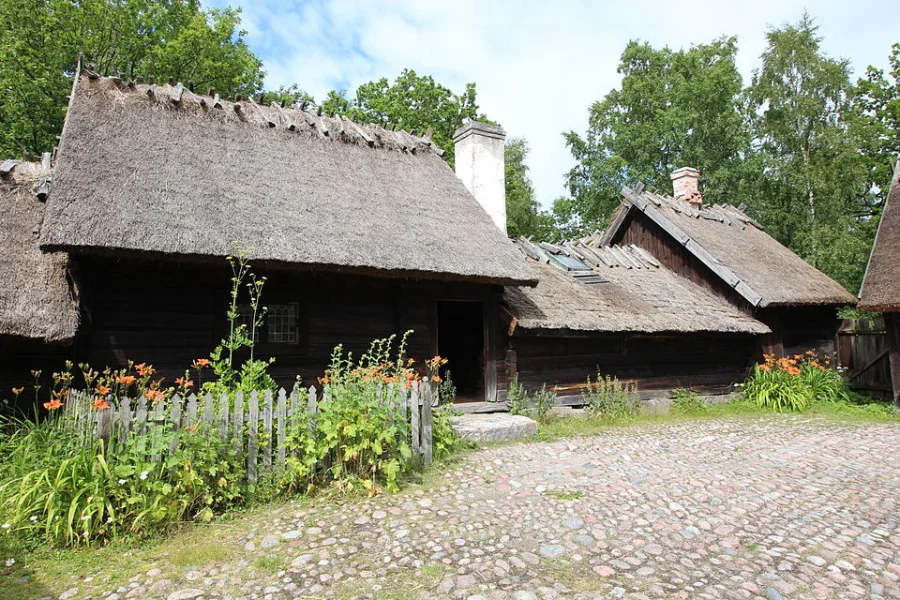
Oktorp Farmstead
0:00 / 1:39Oktorp Farmstead
Nestled within the picturesque landscape of Stockholm’s Djurgården, the Oktorp Farmstead stands as an evocative testament to Sweden’s rural heritage. Originally established in Halland in the latter half of the 17th century, the farmstead was faithfully relocated to Skansen open-air museum in 1896, capturing both the architectural style and the way of life of southern Swedish farmers over several centuries.
The thatched timber structures, including the main dwelling, cowshed, and various outbuildings, vividly illustrate the adaptations of rural communities to the region’s harsh climate and sparse resources. Oktorp has witnessed profound transformations in Swedish agriculture, from the subsistence farming of the 1700s to the commercial grain production of the late 19th century.
Each room within the farmstead preserves a layer of history: hand-carved furnishings speak to local craftsmanship, while smoke-blackened rafters recall the era before widespread chimney adoption in rural homes. During the early 19th century, the household would have been home to up to ten family members as well as farmhands, a social structure that reflected the growing demands on Swedish agriculture throughout the Industrial Revolution. The Oktorp Farmstead also played a role in the agricultural reforms of the 1800s, a period marked by land consolidation and innovations that dramatically altered the Swedish landscape.
Today, as part of Skansen’s collection, it offers visitors an immersive journey through over three hundred years of rural Swedish history, inviting exploration of the everyday lives, customs, and culinary traditions that defined the nation’s past.
59.32546, 18.10782